
Germany Cuisine: Traditional Food and Popular Dishes
Food in Germany
This is a big meat-eating country from the first meal to the last. German breakfasts are simple; bread or toast with a choice of jams and cold meats, some sliced cheeses.
Lunchtime is seen as the main meal of the day. However, not everyone follows this as a rule of thumb these days. Lunches consist of sandwiches, or a variety of meats, sausages, cheeses and breads. Dinner is typically a hot meal of stews or soups. Snacking on coffee and cake is also very popular with German people.
Regional German Cuisine
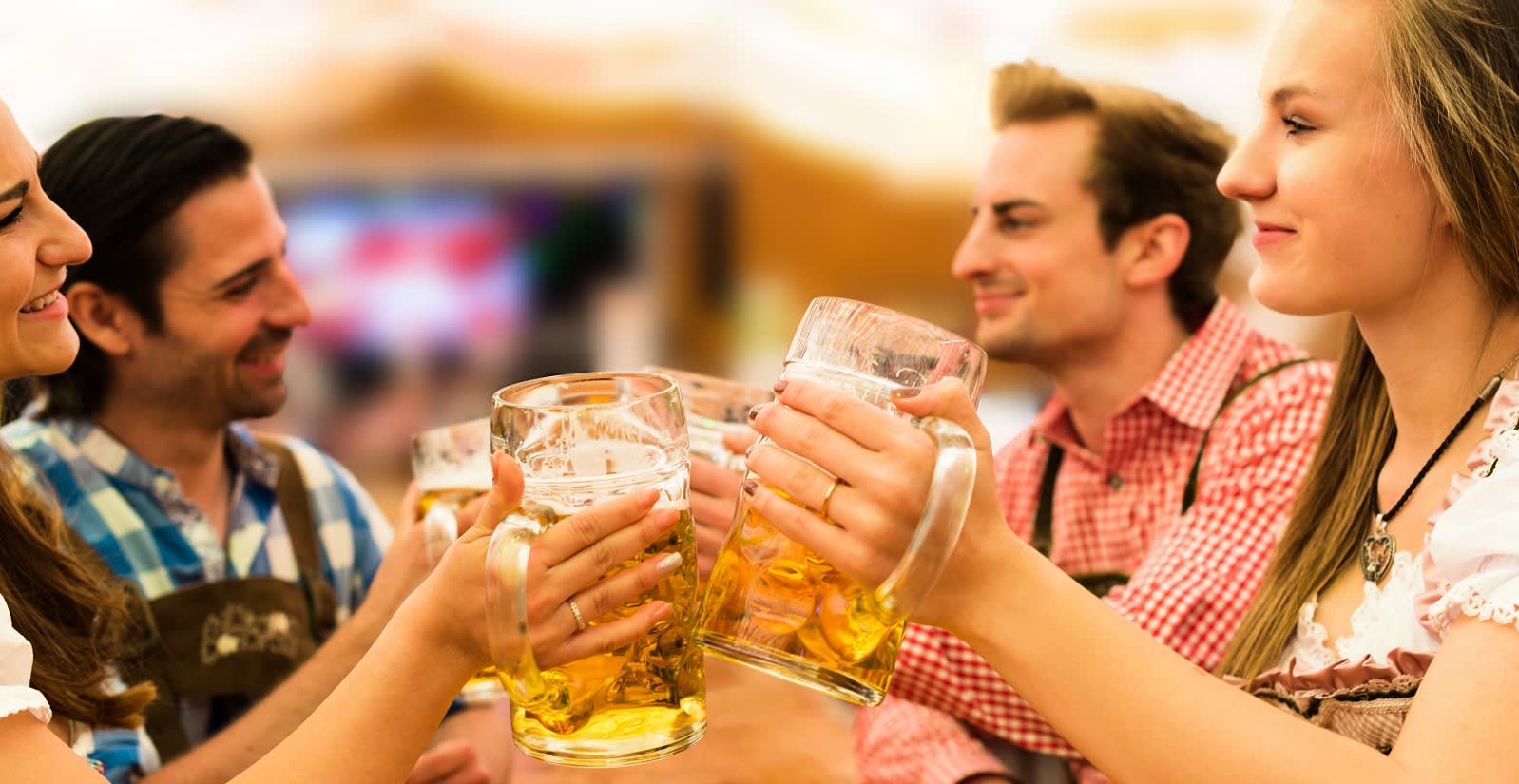
Across Germany’s 16 states, there are some very distinct regional dishes. Bavaria in the southeast, where many American soldiers were once stationed during the division of the country after WWII, is famous for beer, pretzels and dumplings. Franconia, also in the southeast, is the wine region of Germany – it’s renowned not just for its white wines but also for its lamb. The southeast is also home to Munich – the Bavarian capital and, for many, the beer capital of Germany. There is no better dish to eat alongside a cold stein of beer in the beer halls of the city than the traditional schweinshaxe or roasted ham hock with fried potatoes.
Frankfurt is Germany’s most central city and boasts not only the sausage named after it but also a number of surprises. When it comes to alcohol the drinking culture is as big as any other German city, but Frankfurt bucks the trend somewhat. Rather than beer, Frankfurt’s drink of choice is a tart cider called appelwoi. After indulging in pork dishes and glasses of cider, their dessert of choice is the Frankfurter Kranz – a layered sponge cake with buttercream icing and fruit.
The Southwest and Black Forest region have inherited many culinary traditions from the French and specialize in assorted meats and cheeses. Saxony in the east is famous for its cakes and spicy Thuringian sausage, spiced with caraway and marjoram. Berlin, frequently described by locals as the cultural and culinary hub of the country, boasts a variety of influences and food from around the country and the world.
The west and north lean towards heavier fare with a love for blood puddings and potato cakes. As you hit the coast you will notice an increase in herring, crab, shrimp and mussel dishes.
Germans take their food seriously. After France, Germany is home to the most Michelin starred restaurants in the world (282). Having reinvented its image from ‘homely’ to ‘wholesome’, new modern twists on classic recipes are driving people out to dine.

What to eat in Germany
When in Germany, try some of these reliable classics.
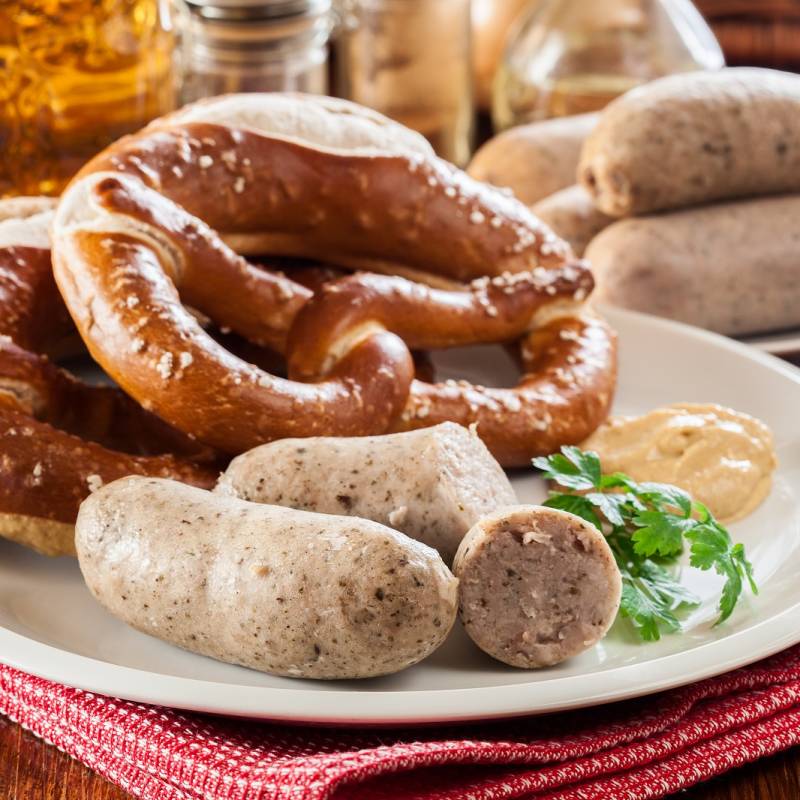
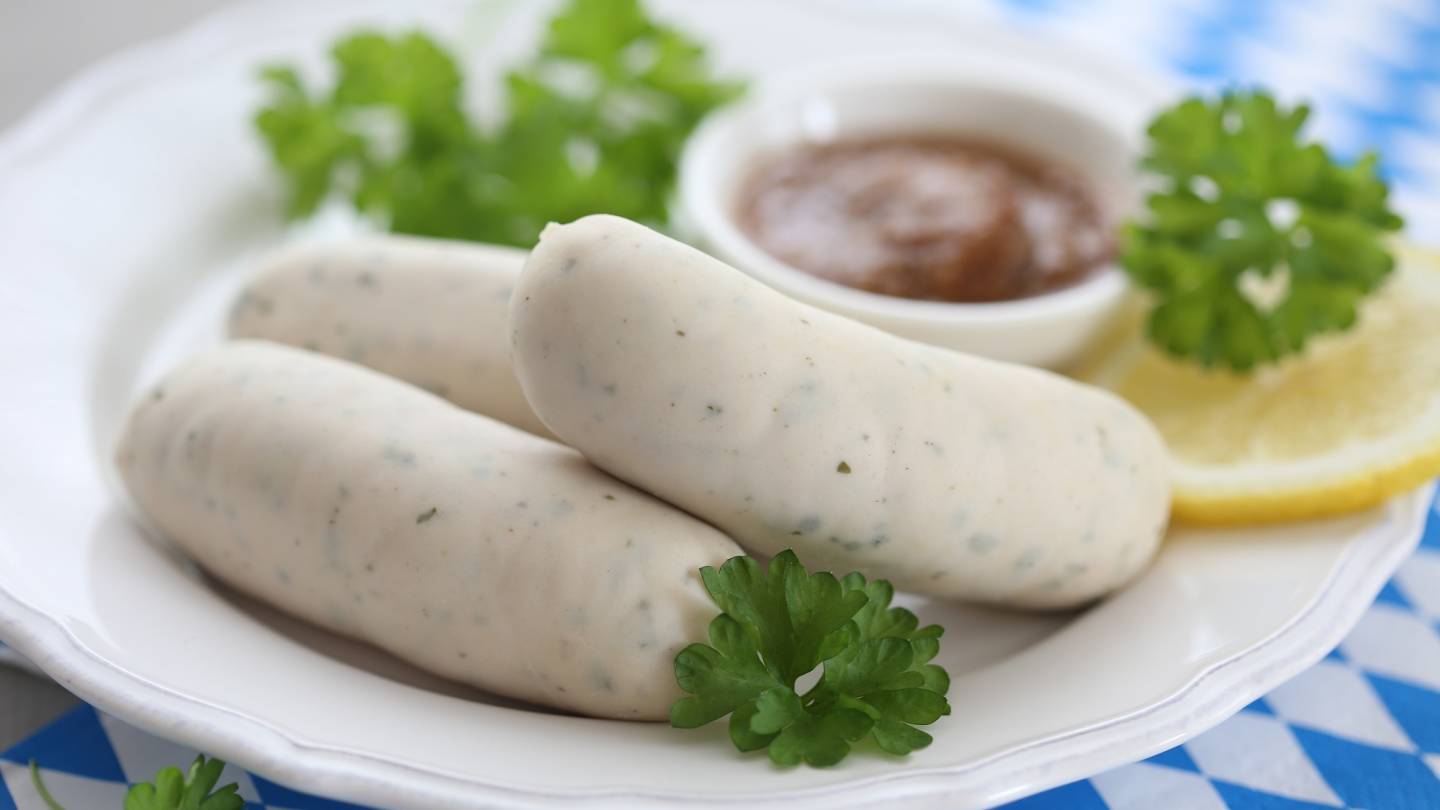
Weisswurst – A traditional white sausage of Bavaria made with a combination of veal and pork. Eaten as a snack rather than a main course, it’s served alongside a soft salted pretzel and dipping mustard.
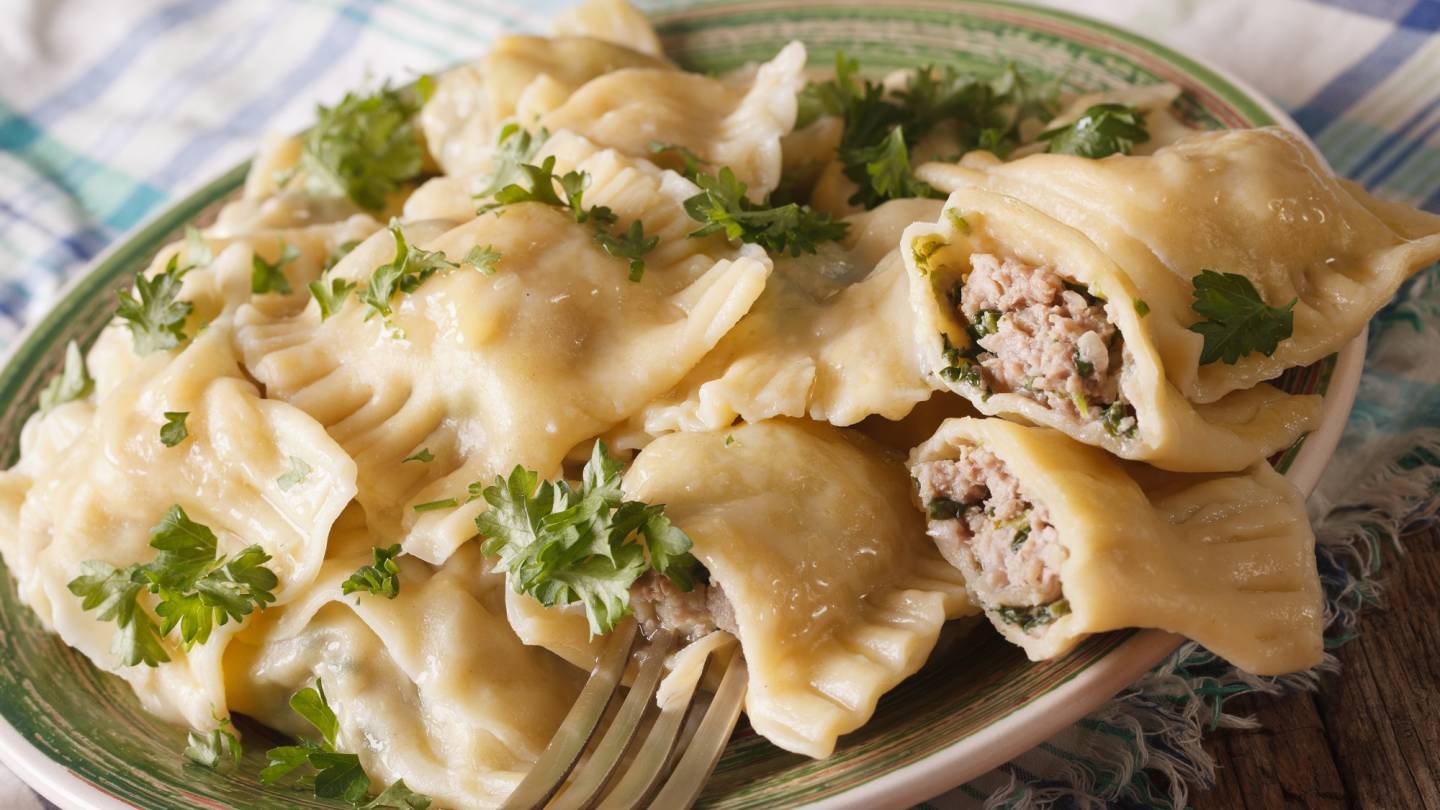
Maultaschen (Swabian ravioli) – Much larger than their Italian cousin, these ravioli are made with thicker dough and principally contain minced smoked meat, bread or crumbs, spinach, parsley and nutmeg. Served in a clear broth this is a classic example of hearty Germanic food.
Kölsch Beer – Germany is flush with crisp fragrant beers. Kölsch beer originated in Cologne and is unusual; it is fermented with ale yeast but brewed at cold temperatures like a lager. As a result, it is a bright yellow color and is seen as a cult beer.
The Neunerlei feast – A product of Saxony and fit for any king. This nine-course meal is the centrepiece of the Erzgebirge Christmas celebrations. The components of the nine courses can vary, but most incorporate bratwurst, sauerkraut, meat-filled dumplings and various mushrooms and nuts.
Black Forest Gateau – It is Germany’s greatest dessert and remains the king of cakes. Smothered in cherries, cream and chocolate shavings, it is a sinful delicacy like no other.
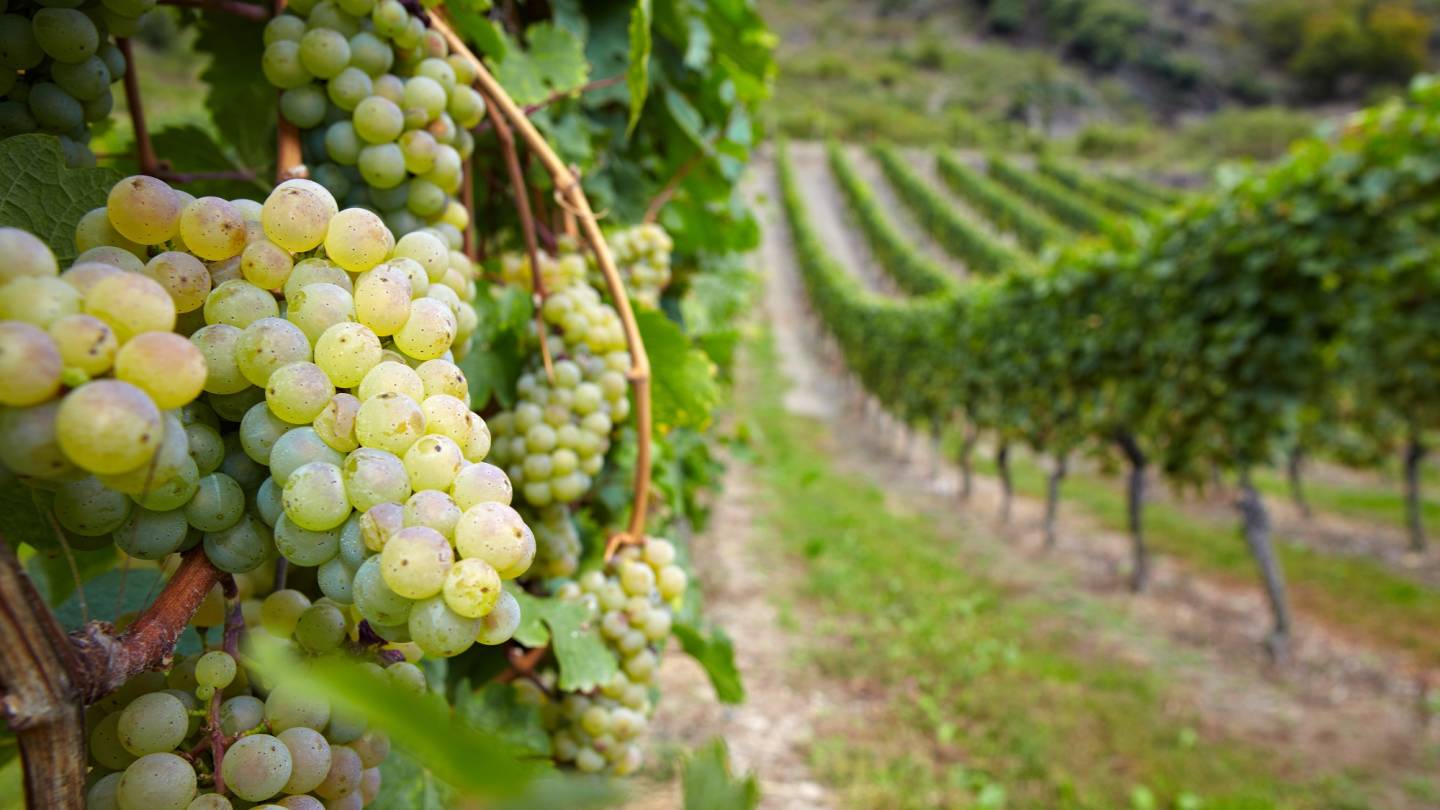
Wine – West Germany and the areas around the UNESCO protected Rhine Gorge are German wine territory. There are 13 wine-growing regions including beautiful Baden–the warmest and sunniest wine-growing region of them all. The renowned Riesling is the best known (white) grape but there are also several fine pinot noirs.


From the Blog


Recommended Germany Trips

History
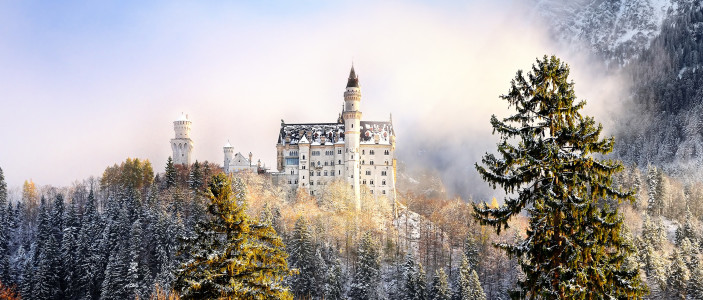
Germany has been central to the existence, development, destruction and the rebuilding of Europe. Discover all about the country’s history and what to expect on your tour of Germany.
Culture
Often called ‘the country of poets and thinkers’, German culture is rich and diverse. Read more about the local culture and what to expect and look forward to, on your trip to Germany.

Germany Travel Guide
ViewOur Awards




What Our Guests Say
“This is our 3rd time using Enchanting Travels. Would highly recommend it if you need assistance in researching and booking international travel. They make the process so easy. The experiences are great and they cater to families.”
December 2023 Rating 5/5
“Our Tour Co-Ordinator was Rose Kennedy from Melbourne. She devised an excellent itinerary for us and organized private drivers for us in a country like Germany which doesn’t normally push that thing. I can assure Rose from Enchanting Melbourne is well equipped to organize our Germany holiday.”
May 2023 Rating 5/5
“We always have the best holidays with Enchanting Travels, no need to worry about any disruptions as they are on to it straight away.”
May 2023 Rating 5/5
“We returned a little over a week ago from our 11 day Germany adventure. It was a fantastic trip with fun tour guides, professional and on time drivers, great food, and lots of walking which we enjoyed. Our itinerary included Berlin, Nuremberg, and Munich. Each city has it own flavor which made it such a great trip. Our 16 year old is a fan of royals so touring the castles was a highlight for her (and us). This was our first international family trip that was not a cruise. We’ve been bitten by the jump the pond travel bug so more European travels will be in our future.”
June 2022 Rating 5/5