
France: History and Heritage
History of France
Discover the history of France on your private, tailor-made tours with travel tips from our experts.
From a province of the Roman Empire, to the master of Europe, to a hub of global culture and more, France has enjoyed a long and fascinating history. The country has slowly evolved through these various phases, and through its role as a colonial power, many of these aspects were imbued in the fabric of the areas it ruled over.
As you explore France, you will see many traces of its glorious history. To give you a more nuanced understanding, we have prepared this short primer that will help provide further insight into France’s storied past.
Ancient history of France
The country that we now call France was once known as Gaul, a vast land populated by numerous loosely connected tribal groups. However, in the first century BC, the legendary Roman commander, Julius Caesar, launched an eight year military campaign into Gaul and claimed the land for Rome. Following this, Gaul remained in Roman control for centuries. The Roman Empire founded many towns and cities within Gaul, and many like Lyon and Nimes are still around and still very popular.
During your tour of France, you’re quite likely to see striking remnants of the Roman conquest. The Théâtre Gallo Romain, in Lyon, is an arrestingly well preserved Roman theatre overlooking the town. One monument that we particularly recommend visiting is the mighty Pont Du Gard in the Avignon region – a three-tiered aqueduct bridge, which stands proudly over the Gardon River and, in the Roman times, was part of a 52 mile network of aqueducts which would have carried water into Nimes.
These ruins held firm even while the Roman Empire fell. Like Rome, Gaul suffered repeated attacks from Barbarian raiders until it was united under King Clovis I, the first of the Franks who would rule France for centuries.

The Middle Ages
It was under the Franks, that France truly began to flourish. Paris, until then a simple Roman garrison town called Lutetia became the nation’s capital.Many important religious buildings were constructed, like the first monastery in Mont Saint Michel (the Cathedral you see today came much later), along with the beautiful Cathedral at Aixl, and great kings like Charlemagne, a man some call “the father of Europe”, ruled the land.
During this time, the northern part of France was frequently attacked by Viking raiders. Eventually, an agreement was signed that allowed the Vikings to rule over a section of the northern coast. These Vikings came to be known as the Normans, hence the name “Normandy” the province where they settled.
The rest of the French Middle Ages was a time of great conflict, suffering repeated invasions by the English. Both sides fought for the French crown, which culminated in the 100 Years War.
Through the war, the sense of French identity was strengthened. This structure of the French society would remain in place until 1788, when it was completely torn apart in one of the most significant events in European, perhaps world history: The French Revolution.

French Revolution and the Empire
Up until the French Revolution, the power of the French royal family was unquestioned. They lived glamorously, relaxing in the comfort and luxury of Versailles. If you weren’t part of the French royal family, nobility, or a major religious figure, you were virtually powerless in French society.
Naturally, this led to massive dissatisfaction in the French peasantry. In the era of European Enlightenment, great philosophers -many of them French -began to question the structure of society, and an idea came to the forefront: that a human being, simply by being human possessed certain natural rights that could not be removed. Today, we are profoundly familiar with this concept – that of Human Rights.
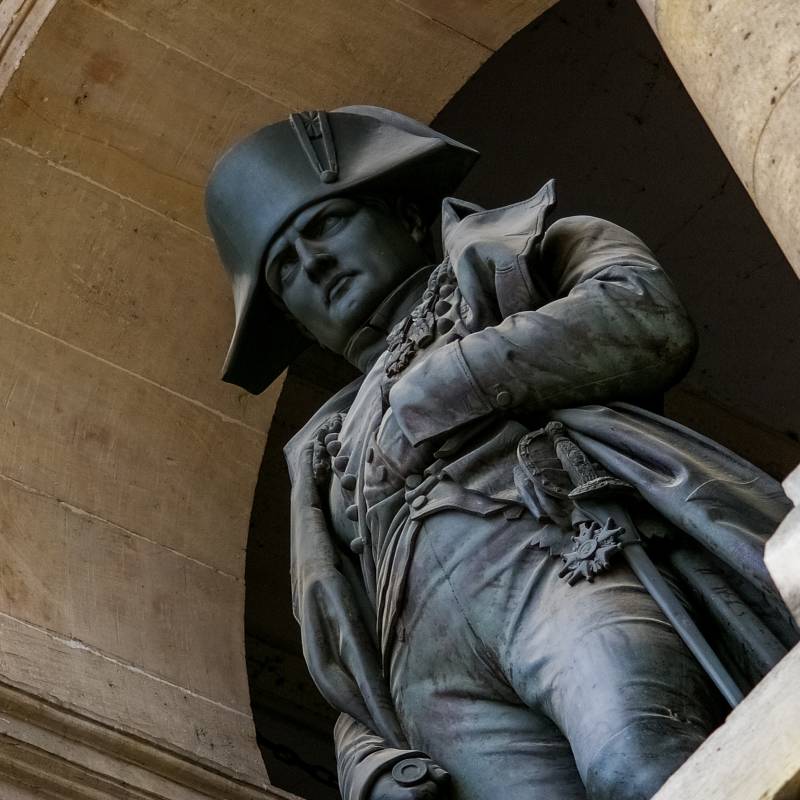
Within three years of the French revolution the monarchy was overthrown and France became a ‘republic’. But within a decade, a minor artillery commander from the island of Corsica manoeuvred his way to the top of French society, he became unquestionably the most powerful man in the world. His name was Napoleon Bonaparte.
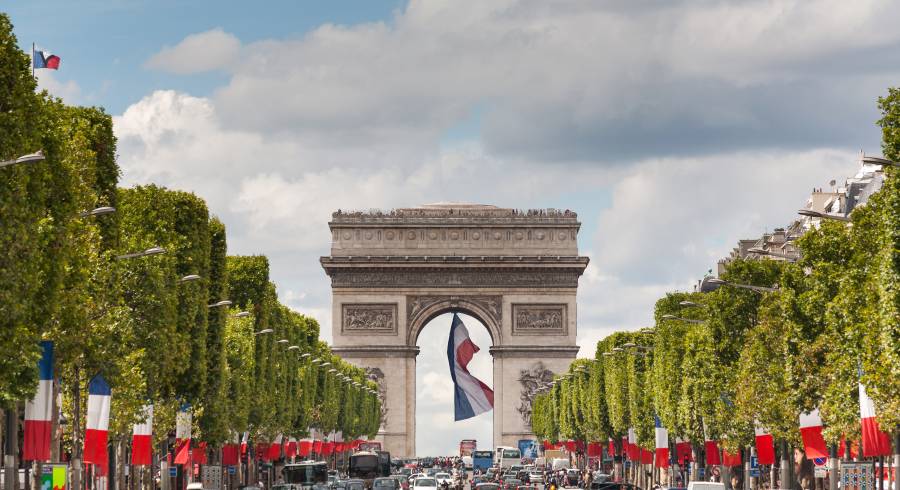
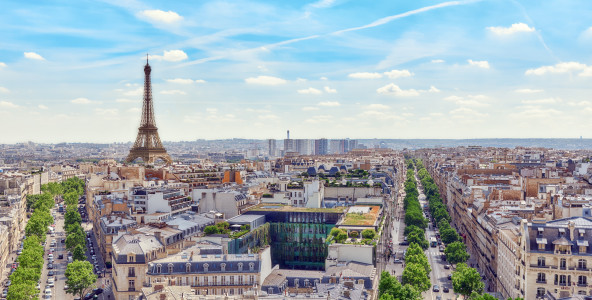
Under Napoleon, the French and their Grande Armee would conquer much of Europe in a succession of military victories. This success was commemorated with the construction of the The Arc De Triomphe of Paris in 1806 which remains a powerful sight even today. While Napoleon was finally defeated in 1815 at the battle of Waterloo in Belgium, his rule had completely changed the fabric of Europe. Though, as the rest of the 19th and the first half of the 20th century showed, France’s troubles weren’t over.
During the 19th century, France would once again become a monarchy, but each time the monarch was overthrown or was forced to give up power. The last person to assume the title of ‘King of France’ was Louis Philippe, who abdicated in 1848.
Modern history of France
Despite social and political upheavals in the 19th century, France remained the centerpiece of the European Alliance system. And when this structure was unravelled during the First World War, it became clear that whoever took control of France would be the master of Europe.
A great deal of the fighting during WWI took place on French soil, and today you can visit those battlefields, graveyards, or the many memorials across france for the heroes who fought. Then, twenty years later, France was invaded again.
During WWII, France was occupied by Nazi Germany and unlike WWI, the Nazis were able to fully control the country with relative ease. This effectively locked the continent away from the Allies based in the UK and America, who called it the “Fortress Europe”. The plan to liberate Europe – Operation Overlord – required the largest invasion army in human history. On June 6th, the forces of Great Britain, the United States, and Canada landed at Normandy. You can visit the beaches today, which still have their World War II codenames of Gold, Sword, Juno, Utah and Omaha. The beaches are quiet and peaceful now, but it is hard not to imagine what it would have been like on that fateful day.
The Allies eventually liberated France and won the war. Thankfully, this was the last time such major conflict occurred on French soil.Since the end of WWII, France has been a country at peace,calling travelers from far and wide to come savor its rich history.
For history and heritage enthusiasts there is no better option than a completely customized France vacation to help soak up the most important sights and experiences. Our destination experts are to tailor your tour to your interests – get in touch with us for a private, seamless and obligation-free itinerary.

From the Blog

Popular Trips to France




France Travel Guide
ViewCulture
Before you jet off to France’s romantic capital or set your sights on its glamorous coastal cities, find out more about local traditions, religion and family, everyday etiquette, the best shopping destinations, cinema, art and more.
Cuisine
Part of UNESCO’s list of intangible cultural heritage, French cuisine is considered one of the best in the world! From regional delights to wine and cheese, cafe culture, and the best dishes by region, eat your way through France with our handy guide.
Best Time To Visit
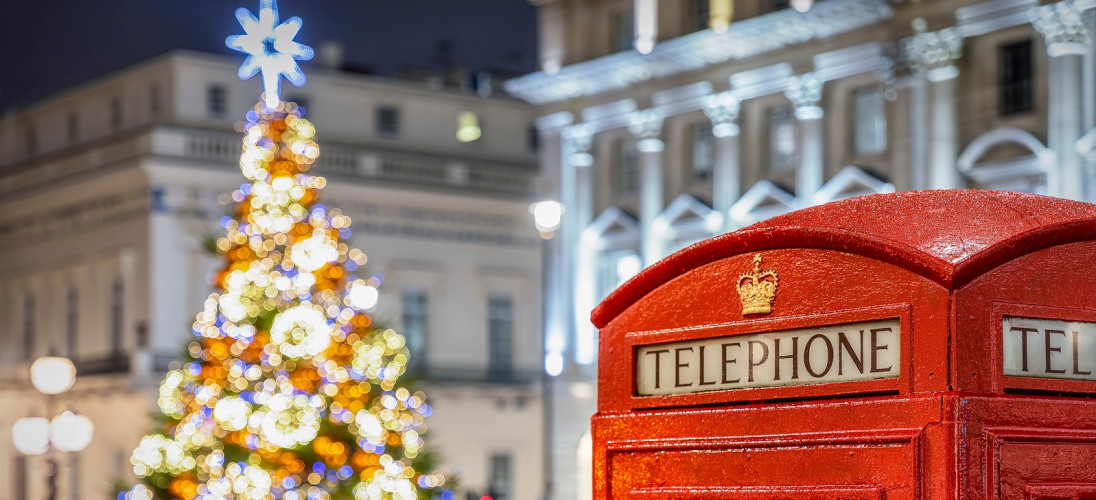
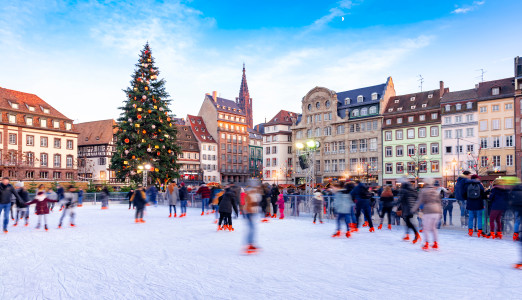
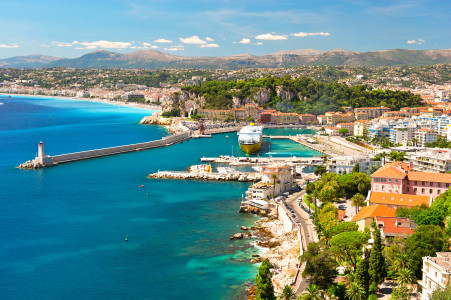
Spring or Summer? Christmas Markets or cruising in the Riviera? Time your tailor-made tour of France to match all your interests and preferences. Discover the best time to visit and what to pack for France, from our destination experts.
The Enchanting Travels Difference
What Our Guests Say

What Our Guests Say
“We contacted Enchanting Travel to arrange our Paris trip and tours for us, Elizabeth helped us set up our requirements for our trip and Nitika put the tours and transportation together and was our contact in Paris. The tours, and especially the tour guides for of the Eiffel Tower, Versailles and Louvre were all fantastic. All were very friendly, knowledgeable, helpful and made the tours educational and fun. They also set up all our transportation and it was spot on without any issues. We would highly recommended enchanting travel and their staff to manage your visit to Paris.”
September 2025 Rating 5/5

“We recently returned from a 10-day trip to London and Paris, and Enchanting Travels made the entire experience seamless and unforgettable. Elizabeth handled all of our bookings and excursions with care and attention to detail. During our trip, Vipra was on call and incredibly helpful anytime we needed assistance. She even surprised us with a thoughtful gift and champagne to celebrate our anniversary, such a kind and personal touch! The Enchanting Travels app was also super user-friendly, which made it easy to keep track of our itinerary, confirmations, and documents all in one place. Everything ran smoothly from start to finish. We’ll definitely be booking with them again!”
June 2025 Rating 5/5
“Our trip to France in September was fabulous!! Enchanting Travels did a wonderful job putting together our trip for us. We began the planning stages with Samara Bustamante who listened to exactly what we wanted to accomplish on our two-week trip. She hit the mark regarding the kind of hotel accommodations we expected as well as helping us design a trip which was fun and adventurous while learning France’s deep history. We visited three beautiful cities during our trip — Paris, Lyon and Normandy. We enjoyed tours in each city, a private cooking class in Lyon, traveled the rails from city to city and enjoyed delicious and interesting foods. We enjoyed our tour guides who were all excited to share the history of France at various sites. We learned more about French history than we thought we would. Potnuru Sri Sai Likhit was our contact person during our trip and he did not disappoint. He was responsive each time we needed help. Thank you Likit and Samara, you all made our trip special! Amalia and Kerry-”
September 2025 Rating 5/5
“Enchanting Travels helped make our family trip to France exceptional. We were able to experience this beautiful country without worry, stress, or frustration because of their wonderfully curated itinerary. We cannot wait to travel with them again.”
March 2025 Rating 5/5
“We could never have imagined we would have the perfect trip to France, but with Enchanting Travels team, we were able to have the experience of a lifetime. Everything from the hotels we stayed in, the touring experiences, the transportation, the itinerary, and having everything at your fingertips, including the Enchanting Travels concierge was fantastic. We don’t think we will ever try to plan a trip on our own again when we know we can rely on Enchanting Travels to create future amazing travel experiences.”
May 2024 Rating 5/5
“First and foremost – A huge shout out to Nurit for how incredible she is! We love her! She, not only listens – truly listens, she is an amazing person and now a friend:) We appreciate her and trust her – which is so important! She was very patient and understanding throughout the process and made things work that we were wanting to do! The entire process is so simple and alleviates so much undo stress that is associated with traveling. You all know the areas – the places to go – where to go and when, etc. The transfers to and from airport, train station, excursions and hotels were a huge help! We will work with you all again and again! Also, Tanisha and team were and are GREAT – they were on top of responding to us when needed throughout the entire trip. Very good about getting right back always! Last minute questions were answered throughout the entire trip and if we needed to adjust anything she and the team were on it! Thank you! Thanks overall for a great trip – we are working on our next one now 🙂 100% recommend to anyone traveling! Tracy and Michayla George”
May 2024 Rating 5/5