Chile: History and Heritage
History of Chile
Watch centuries of history unfold before you on your private Chile tour. Chile’s history begins with distinct indigenous cultures who inhabited the country in ancient times. In the north the Inca held sway and in the central and southern stretches lived the Araucarian tribes, most notably the Mapuche.
Colonial history of Chile
In 1540, Spanish conquistador Pedro de Valdivia landed in Chile and founded Santiago and other cities, despite fierce resistance from the Araucanians who attacked and destroyed the settlements. A century of warfare followed, but eventually the Spanish won control. Chile declared independence in 1810 but wasn’t actually liberated until 1818, when Jose de San Martin from Argentina famously crossed the Andes and joined with the Chilean General Bernardo O’Higgins to defeat the Spanish troops.
In 1879, Chile seized the Bolivian port of Antofagasta and initiated a war with Bolivia and Peru. Chile was victorious, gaining control of many ports and important nitrate and copper mines. Chile was a prosperous country at the close of the 19th century, but a fall in exports due to WWI caused economic decline and unrest. The military took control and subsequent years saw various changes in the government.
In 1970 Marxist Salvador Allende became the first freely elected communist president of Chile. His administration was plagued by unrest and economic disaster, fuelled by antagonism from the USA.
In 1973 Augusto Pinochet took over after a military coup. Pinochet’s regime was especially controversial due to the Dirty War, when thousands of dissenters disappeared. Despite this, Pinochet was able to raise the literacy rate and stabilize the Chilean economy. In 1989 Pinochet allowed for free elections and Chile returned to democracy; the economy grew, the country became politically stable, and gradually Chile tourism began to gain momentum. Sebastian Pinera was elected president in 2010.

Chile travel tips
Though there is still a stark divide between the wealthy middle class and the poor, on your Chile tour you will find that it’s currently one of the strongest economies in Latin America and growing!
During our luxury Chile tours, do check out the national flag to see if you can spot similarities with the Texas state flag. It was designed according to suggestions from a US Envoy.

From the Blog
Culture
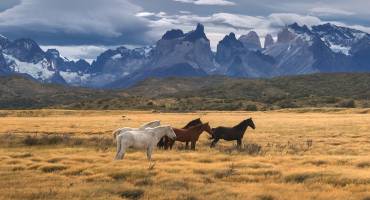
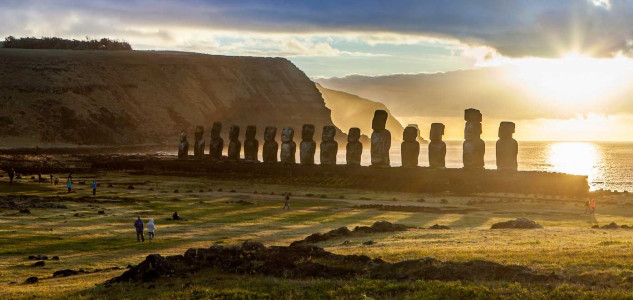
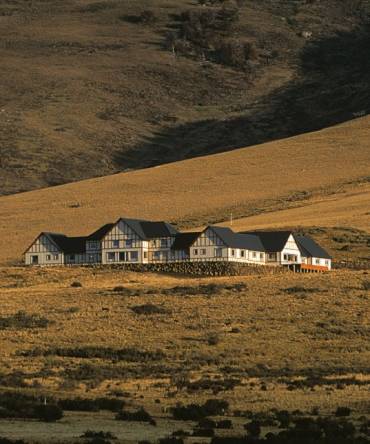
A mix of indigenous and Spanish colonial influence, Chile is home to myriad cultural identities, including illustrious creative minds such as Pablo Neruda, the famous gauchos of Patagonia, and mystical Moai statues of Easter Island!
Cuisine
With over 2000 miles of Pacific coastline, Chile boasts some of the world’s best seafood. The country is famous for its exquisite wines such as Cabernet Sauvignons and Pinot Noirs, as well as specialty dishes influenced by native and colonial heritage.
Best Time To Visit
The seasons in the southern hemisphere are exactly opposite to what we experience. The best time to travel to Chile depends entirely on what you wish to do on your Chile holidays.