
Morocco Travel Guide
Morocco: All you need to know before traveling
Morocco is a welcoming holiday destination for just about anyone, with friendly faces and colorful buildings all around you. If you are willing to put yourself out there and mingle, Moroccan people will welcome you into their homes and make you feel instantly comfortable, often telling you tales of their homeland. However, before you set out for this North African nation, it is always prudent to acquaint yourself with some basic tips and facts, to help you navigate the country better. From health information to language and communication tips, our destination experts share an overview.
Language and communication
Morocco has two official languages spoken throughout the country – Berber and Arabic. French is also widely spoken everywhere while Spanish is common in the northern areas. While English is not as common in the less touristy areas, it is commonly spoken in all major cities.
Morocco has excellent mobile phone coverage throughout the country except in the mountains and deserts. 4G is commonly available in most cities and towns. However, mobile phone operators tend to block internet calling services such as Skype and WhatsApp.
The three major mobile service providers in Morocco are Méditel, Maroc Telecom and Inwi. To make calls in Morocco, we recommend that you use a prepaid SIM card if you have an unlocked phone.
Moroccan Emergency Hotlines:
- Police: 999
- Ambulance: 997
- Fire: 998
Health information
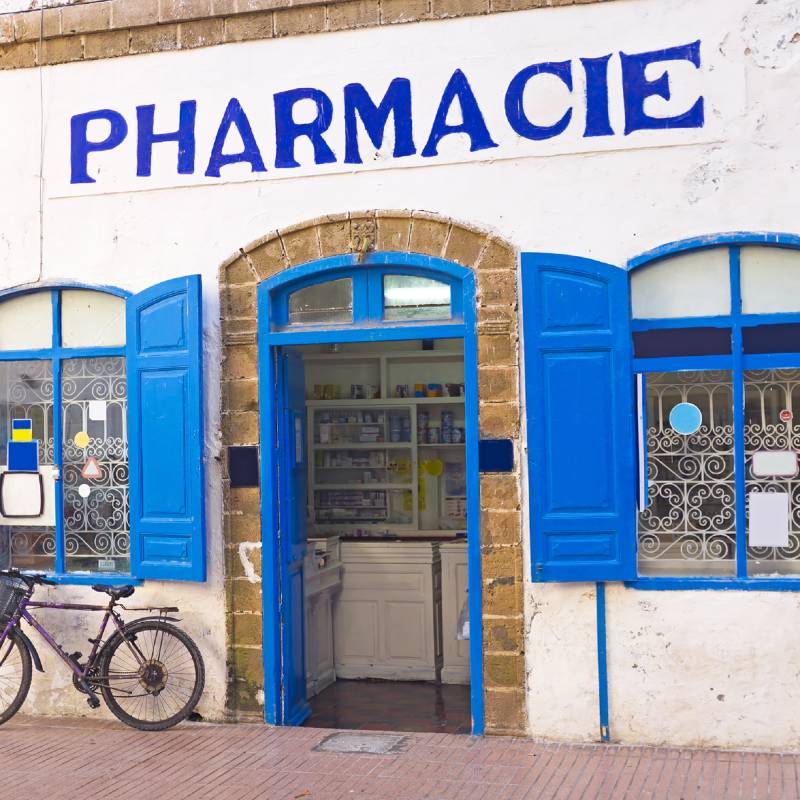
No vaccinations are required for travel to Morocco. Medical facilities in cities and larger towns are adequate, with qualified French-trained doctors available as well as some expat doctors in Marrakech. However, emergency services may not be of the same standard as in first world nations. In rural areas, clinics and hospitals tend to deal with primary health needs and therefore do not offer the range of medical care that the large metropolitan hospitals do. It is best to bring any medication you might need during your vacation as you may have limited access to pharmacies during some parts of your journey, such as in the desert. Pharmacies are everywhere in the larger cities and are usually very well stocked. However, medicines are generally sourced from France and may have names with which you are not familiar.
Currency
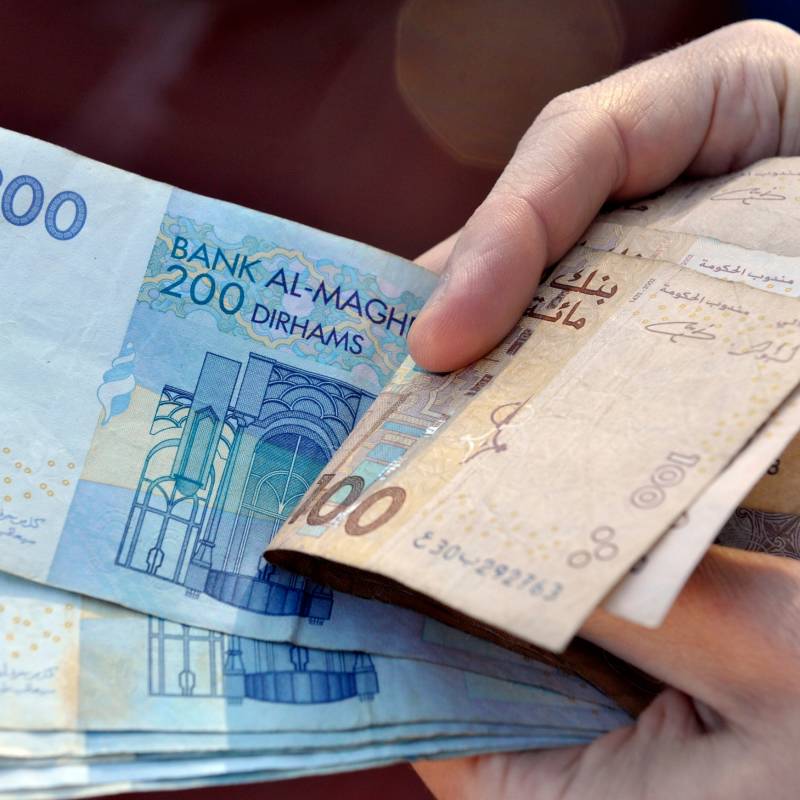
The official currency of the country is the Moroccan Dirham (MAD), with one USD being roughly equal to 9.7 MAD. While Visa and Mastercard are commonly accepted at larger shops and restaurants, smaller hotels and bazaars prefer cash transactions, even if they have stickers on the door to say that cards are accepted. Even many larger establishments are known to decline American Express cards, or ask for a surcharge of 3 -4 % for card transactions. While ATMs are available in all major cities, some only accept Debit Cards.
Dirhams are a restricted currency and unavailable in other countries. It is important to note that visitors cannot carry dirhams out of Morocco so make sure that you exchange all your currency before you leave. Changing money is easy in Morocco, either at exchange counters at the airport, banks or even hotels (which sometimes offer the same rates as banks). Always store your exchange vouchers as you may need to produce these while exchanging leftover dirhams.
Morocco travel guide: Local customs
- It is customary to shake hands with just about everyone you meet, but if you are male, you should only shake hands with a local lady if she offers you her hand first.
- If eating out, where no utensils are provided, eat with your right hand. Do bear in mind that on entering a Moroccan home, it is usual to remove your shoes.
- Some Moroccans, especially women and older men, do not like to be photographed or videotaped due to a combination of religious and popular beliefs and superstitions. If a woman is veiled, assume she would not like to be photographed.
- In Morocco people generally do not openly discuss internal politics, and may not be overly receptive to your points of view. If someone seems anxious to start a political discussion, it is best to stay away from it. Particularly sensitive issues are the freedom of press, religion, and the disputed territory of Western Sahara.
- Avoid discussing the King or the royal family. It is considered a sign of enormous disrespect to say – or even suggest – anything negative or mocking
Our destination experts are happy to advise you further on local customs in each destination on your itinerary. Contact us today for the most up-to-date information and Morocco travel tips.
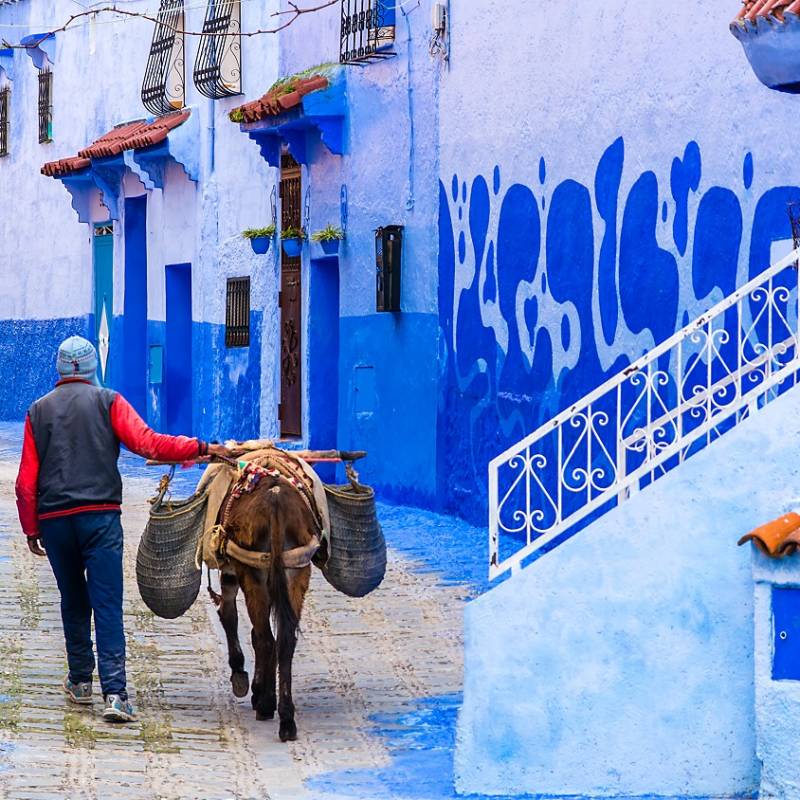
Popular Trips to Morocco
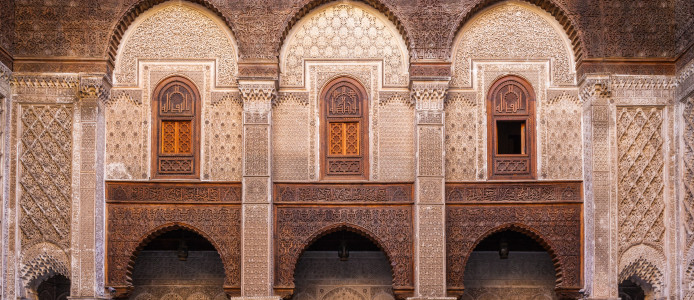

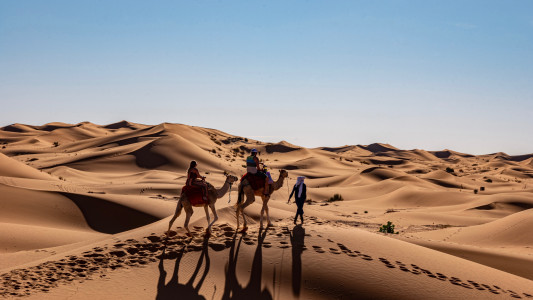
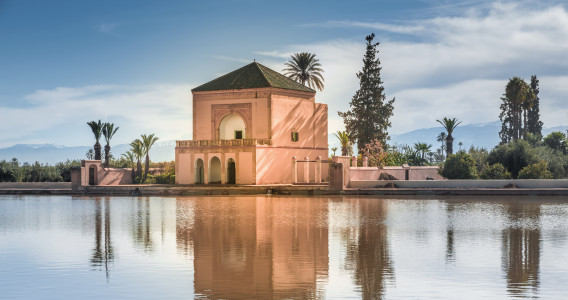
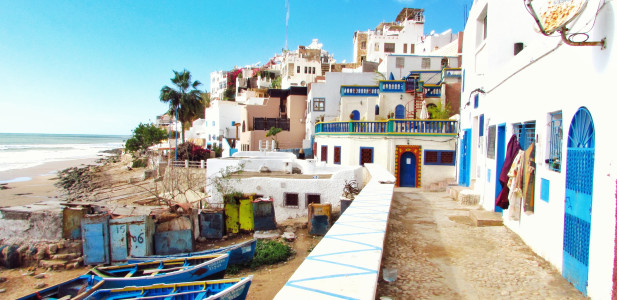
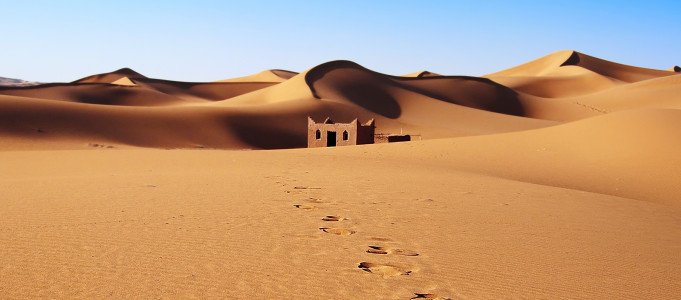
Best Places To Visit
Best Time To Visit Morocco
ViewHistory
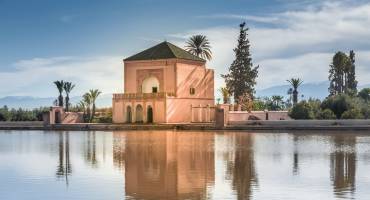
Morocco is a unique blend of ancient Berber nomadic traditions, Islamic and Arabic history and French influence. Discover this rich diversity and heritage firsthand, with tips from our experts.
Culture
Founded on the indigenous Berber customs and Islamic traditions, Morocco is an artistic powerhouse boasting historical architecture, contemporary art, museums, galleries, Sufi music, festivals and cinema. Discover Moroccan culture with our travel tips.
Cuisine
A heady amalgam of flavors, textures and aroma, many consider the cuisine in Morocco among the best in the world. From deliciously flavorful stews like the tagine to sweet and savory pies, and refreshing Moroccan mint teas, eat and drink your way through Morocco with our foodie tips.
From the Blog


What Our Guests Say

USA
USA
USA
USA
USA

USA